
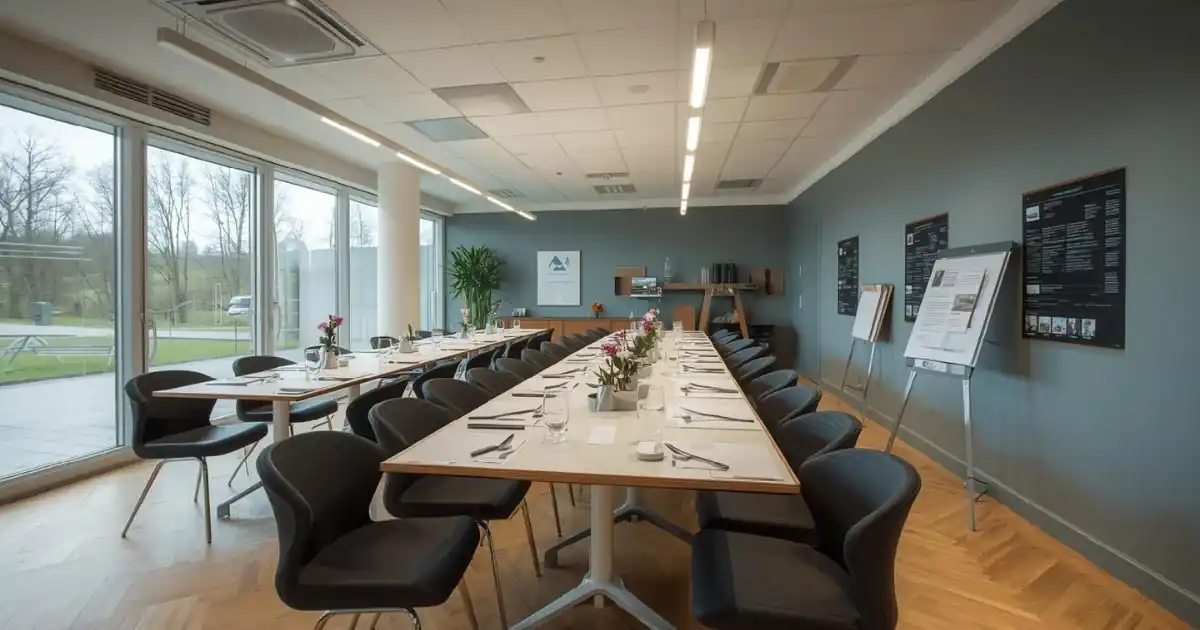
bbiuniversity stands out in Europe. It offers specialized programs in hospitality. Students gain practical skills here. The institution focuses on tourism management. International students thrive in its environment.
Founded in 1990, bbiuniversity began in Brussels. It expanded to Luxembourg over time. The school emphasizes hotel management. Leaders built strong industry ties. This growth made it a leader.
History of bbiuniversity
bbiuniversity started as Brussels Business Institute. Founders aimed for quality education. They targeted hospitality and tourism sectors. In the 1990s, it gained recognition quickly. Programs adapted to industry needs.
The school moved to Wiltz campus. This shift enhanced its offerings. Partnerships formed with global organizations. Accreditations boosted its reputation. Today, it serves diverse students worldwide.
Over decades, bbiuniversity evolved curricula. It incorporated modern trends like sustainability. Faculty brought real-world experience. Alumni succeeded in top roles. This history shapes its future.
Location and Campus Facilities
Wiltz hosts bbiuniversity’s main campus. This town sits in the Ardennes region. Nature surrounds the area beautifully. Students enjoy peaceful study settings. Proximity to Europe aids travel.
The campus features modern classrooms. Labs simulate hotel operations. Libraries provide extensive resources. Dormitories offer comfortable living. Sports facilities promote wellness.
Students access dining halls daily. Conference rooms host events. Wi-Fi covers the entire area. Security ensures safe environments. These features support learning effectively.
Academic Programs at bbiuniversity
bbiuniversity provides diverse degrees. Bachelor’s and Master’s stand out. Programs blend theory and practice. Internships form key components. Graduates enter jobs prepared.
Bachelor’s Degree in International Hospitality Management
This program lasts three years. It awards a Bachelor of Arts. Students earn 180 ECTS credits. Curriculum covers operations management. Business skills develop alongside.
Year one introduces front office operations. Food and beverage courses follow. Marketing basics teach promotion strategies. Accounting principles build financial knowledge. Internships provide hands-on experience.
Year two advances food safety training. Purchasing techniques refine procurement skills. Managerial accounting deepens analysis. Organization management fosters leadership. Case studies integrate learning.
Year three focuses on human resources. Facilities design explores engineering. Financial accounting completes the series. Strategic management caps the program. Thesis work demonstrates expertise.
Entry requires secondary education completion. English proficiency proves essential. Non-hospitality backgrounds adapt easily. Fees average €9,950 yearly for EU students. Non-EU pay slightly more.
Master’s Qualifying Year
This bridges gaps for newcomers. It spans one year fully. Modules cover rooms division operations. Food and beverage dominate the curriculum. Internships last four months.
Students learn menu engineering. Costing techniques ensure budget control. Practical assignments build creativity. This prepares for advanced studies. Graduates gain operational foundations.
Master Degree in International Hospitality Management
The program awards a Master of Sciences. It lasts one year post-qualifying. Students earn 60 ECTS credits. Focus shifts to leadership skills. Innovation drives the coursework.
Courses include human resources management. Corporate finance teaches investment strategies. International business explores global markets. Entrepreneurship encourages startup ideas. Risk management addresses challenges.
Workshops cover business law. GDPR regulations feature prominently. Case studies analyze real scenarios. Final business plan assignment integrates knowledge. Dissertation requires original research.
Bachelor’s degree holders qualify directly. Strong English skills matter most. Fees reach about €12,000 annually. Specializations enhance career paths. E-learning options add flexibility.
Post-Master Specializations and Advanced Programs
Post-master options include internships. These last several months. Students specialize in niches. MBA programs operate in China. DBA follows for doctoral pursuits.
These cater to experienced professionals. Curriculum adapts to Asian markets. Partnerships ensure relevance. Graduates lead in tourism sectors. Fees vary by location.
Admissions Process
Applicants submit online forms. Documents include transcripts and resumes. English tests like TOEFL suffice. Interviews assess motivation levels. Deadlines fall in summer months.
Staff review applications promptly. Acceptance letters arrive quickly. Visas require additional steps. Scholarships aid deserving candidates. Guidance supports international applicants.
bbiuniversity values passion for hospitality. Diverse backgrounds enrich classes. Enrollment numbers stay manageable. This ensures personalized attention. Success rates remain high.
Faculty and Teaching Approach
Professors bring industry expertise. Many hold advanced degrees. They hail from various countries. Teaching methods emphasize practicality. Lectures combine with simulations.
Interactive sessions encourage participation. Guest speakers share insights. Research projects foster innovation. Feedback loops improve courses. This approach builds confident graduates.
Faculty mentor students individually. Career advice flows freely. Publications highlight their work. Collaborations expand knowledge bases. Quality evaluations maintain standards.
Student Life and Support Services
Students form tight-knit communities. Clubs organize events regularly. Cultural nights celebrate diversity. Sports teams compete locally. Volunteering builds social skills.
Support services include counseling. Health facilities address needs. Academic advisors guide progress. Language courses aid integration. These enhance overall experiences.
International students receive orientation. Housing options suit budgets. Transportation links connect easily. Safety protocols protect everyone. Satisfaction surveys reflect positivity.
Career Opportunities and Alumni Network
Graduates secure roles worldwide. Hotels hire managers frequently. Tourism boards seek experts. Startups value entrepreneurial skills. Salaries start competitively.
Alumni network connects professionals. Events foster ongoing relationships. Mentorship programs guide newcomers. Success stories inspire current students. This boosts employability.
Partnerships with chains provide internships. Job fairs occur annually. Resume workshops prepare applications. Interview training builds confidence. Outcomes prove program effectiveness.
Accreditations and Partnerships
UN World Tourism Organization accredits programs. This marks global recognition. Ministry of Higher Education validates degrees. EURHO association endorses quality.
Partnerships include hotel chains. Collaborations span Europe and Asia. These ensure curriculum relevance. Exchanges promote cultural understanding. Accolades affirm excellence.
Sustainability initiatives gain traction. Ethical practices integrate deeply. Research contributes to industry. These elements distinguish bbiuniversity. Future plans expand offerings.
Conclusion
bbiuniversity transforms aspiring professionals. It equips them for dynamic careers. Innovation defines its core. Students leave ready to lead. Join this journey today.
FAQs
What programs does bbiuniversity offer?
bbiuniversity provides Bachelor’s in International Hospitality Management. It lasts three years with internships. Master’s Qualifying Year bridges knowledge gaps. The main Master focuses on leadership. Post-master specializations include advanced internships. MBA and DBA run in China partnerships.
Where is bbiuniversity located?
The main campus sits in Wiltz, Luxembourg. This Ardennes town offers natural beauty. Brussels hosts additional facilities. Locations support European studies. Proximity to borders aids travel. Campuses feature modern amenities.
What are the entry requirements for bbiuniversity?
Applicants need secondary education for Bachelor’s. English proficiency tests are mandatory. Master’s requires a Bachelor’s degree. Interviews evaluate passion. Non-hospitality backgrounds use qualifying year. Documents include transcripts and resumes.
How much do programs at bbiuniversity cost?
Bachelor’s fees average €9,950 yearly for EU. Non-EU students pay more. Master’s costs around €12,000 annually. Fees cover tuition and materials. Scholarships reduce burdens. Payment plans offer flexibility.
What accreditations does bbiuniversity hold?
UN World Tourism Organization certifies programs. Luxembourg’s Ministry validates degrees. EURHO endorses hospitality standards. These ensure global recognition. Partnerships enhance credibility. Quality controls maintain excellence.
What career support does bbiuniversity provide?
Career services include resume workshops. Job fairs connect with employers. Alumni networks offer mentorship. Internships lead to positions. Guidance covers interview skills. Graduates excel in hospitality roles.