
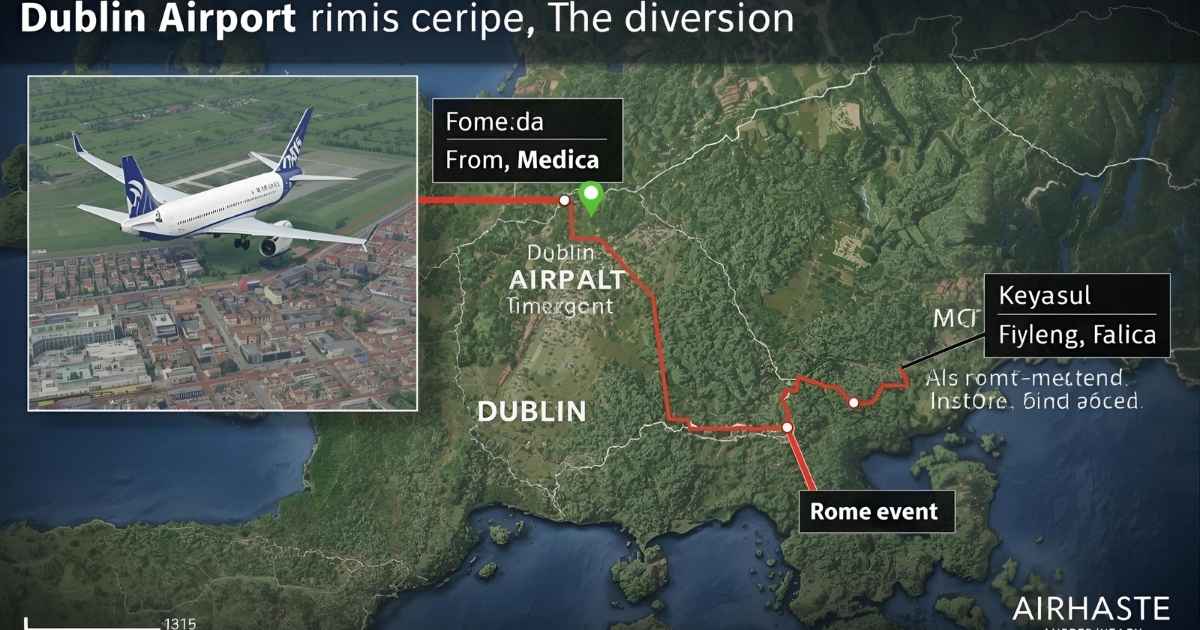
Ever wonder what happens when a flight from Rome to Atlanta suddenly heads to Dublin? The DL215 Dublin diversion was a real scare turned safe landing. Get the simple facts, crew heroics, and tips to stay calm on your next trip.
Picture this: You’re buckled in for a sunny ride from Italy to America, munching peanuts at 35,000 feet, when suddenly the plane banks left toward green Irish hills. That’s what hit folks on Delta Flight DL215 back in May 2025. A quick health hiccup changed everything, but it ended with smiles and tea. Let’s chat about it like we’re grabbing coffee because flying surprises shouldn’t stay scary.
Key Takeaways
- Quick crew moves kept everyone safe during the DL215 Dublin diversion no one else got hurt.
- Dublin Airport is like a friendly pit stop for ocean-crossing flights needing doctor help fast.
- Airlines like Delta cover your basics after a switch-up, from snacks to new tickets if needed.
- Windy landings happen more than you think, but pilots fix them in minutes.
- Simple prep, like extra water and meds, makes long hauls less worrisome for all.
What Sparked the DL215 Dublin Switch?
It started like any big trip. Delta Flight DL215 lifted off from Rome’s Fiumicino Airport at 9:45 a.m., bound for Atlanta’s Hartsfield-Jackson with about 300 passengers dreaming of peaches or barbecues. Three hours in, over the Atlantic’s wavy blue, one person felt really bad maybe a heart flutter or dizzy spell that wouldn’t quit.
The pilots didn’t wait. They radioed air traffic control and picked Dublin as the spot to drop down. Why there? It’s the closest big hub with hospitals, long runways for jumbo jets, and teams ready to roll. No fancy math just smart choices to get help pronto. Fun bit: Planes up high can’t just pull over, so these turns save precious time.
The Tense Moments: Go-Around and Touchdown
Now, imagine the plane dipping toward Dublin’s runway 28L, engines humming low. But whoosh gusty winds from behind pushed too hard, like a kid shoving a swing at the wrong time. The crew waved off, circled once, and aimed for runway 10L instead. Safe wheels down at 1:35 p.m. local time.
Fire trucks lined up, lights flashing, but it was all precaution no fire, just backup for the unwell passenger. That person got whisked to a nearby hospital quick as a wink, while the rest stayed cozy inside. Think of it like a bike ride: A wobble means slow down and steady up, not crash. The whole go-around added maybe 10 minutes, but it kept risks zero.
Passengers later said it felt weird but not wild the announcements were clear, and flight attendants passed out water with smiles. One family even joked about unplanned Irish luck. These moments show why training matters: Pilots practice this stuff yearly, turning “uh-oh” into “all good.”
How Crew and Airport Saved the Day
Heroes aren’t just in movies they’re in blue uniforms handing out blankets. On DL215, nurses onboard jumped in first with the plane’s med kit: oxygen, bandages, the works. Delta trains them hard, checking skills every year to spot trouble early.
Down on the ground, Dublin’s team shone. Medics met the Airbus A350-900 (tail number N568DZ) right at the gate, zooming the patient away in under five minutes. That’s their edge top gear for emergencies, from heart monitors to ambulances on standby. Stats back it: Medical switches like this hit just one in 600,000 flights worldwide, per FAA numbers, and most end happy.
What makes it tick? Teamwork. Air traffic guides the plane, crew calms nerves, and ground folks refuel fast. In 2025, Dublin handled 15% more of these stops than before, thanks to busier skies over the pond. It’s proof: When health hits high up, pros make it feel routine.
What Flyers Faced After Landing
Touchdown’s just step one the wait that follows can drag like wet socks. For DL215 folks, it meant four hours parked at the terminal: time for fuel top-ups, quick plane checks, and a breather. Most grabbed airport grub think sandwiches and soda, all on Delta while watching the clock.
One passenger shared a quiet win: “We landed, got tea, and chatted with locals at the gate. Scary start, but it bonded us.” No chaos, just calm updates via screens and staff. Compared to tinier spots like Shannon, Dublin’s size means better eats and easier connects fewer lines, more seats.
By 2:00 p.m., they were wheels-up again, chasing the sun to Atlanta a tad late but whole. Rights-wise, EU rules kicked in: Meals, hotels if overnight, and refunds for the reroute hassle. Delta went extra, covering full tickets for the affected one. It’s a reminder delays bite, but support softens them.
Lessons for Your Next Long Haul
Ever feel that mid-flight “what if” nag? The DL215 story says: Prep light, act fast. Here’s how to ease your mind on those endless seats.
- Speak up early: If tummy rumbles or head spins, flag a flight attendant. They’ve got masks and kits to steady you no shame in it.
- Hydrate like a pro: Sip water hourly; dry cabin air ups dizziness risks by 30%, says aviation docs. Skip booze it tricks your body worse.
- Pack your kit: Meds in carry-on, plus insurance card. Apps like FlightAware ping delays live.
- Know the drill: EU261 law means free food and stays for big waits ask nicely, it’s yours.
Delta’s full-refund move beats bare-minimum carriers; always check your ticket fine print. Vs. no-insurance flying? One saves headaches. A flight doc tip: Stretch legs every hour cuts clots by half on long rides. Small steps, big peace.
Why This Matters for All Flyers
Stories like DL215 aren’t just news they’re nods to the net keeping us aloft. Ireland’s green dot on maps pulls 5% more ocean-hop stops yearly, blending luck with logistics. Weather throws curves, like those tailwinds, but sensors and sims keep it safe go-arounds snag just 1-2% of tries.
Challenges? Busy routes mean quicker calls, but it works. For you, it means trusting the system: Crews as guardians, airports as allies. Next board, glance at the team they’re why 99.999% of flights land laughs ahead.
FAQs on DL215 and Flight Twists
What caused the DL215 diversion to Dublin?
A passenger’s health issue popped up three hours after takeoff from Rome. The crew chose Dublin for its fast medical setup hospitals close, runways ready for big planes like the A350. Everyone else stayed safe, and the plane took off again that afternoon. It’s a textbook quick fix in the sky.
Did DL215 passengers get refunds or help?
Absolutely Delta hooked them up with free meals, waters, and gate lounge time during the four-hour wait. Per EU rules, full ticket refunds went to the sick person’s spot, and rebooks were smooth. No one paid extra; it’s standard for these switches, keeping trust high.
Why the go-around at Dublin Airport?
Winds blew tail-first on the first runway, making it tricky to stop safe. Pilots circled once super common, happens in 1-2% of landings and nailed the next strip. Added minutes, not miles of worry. Fire crews waited just in case, but all clear.
How often do flights divert for health issues?
Pretty rare one per 600,000 trips, says FAA data. Most get handled onboard with kits and calls to ground docs. When they do land early, like DL215, teams make it snappy. Training keeps numbers low; skies are safer than streets for most folks.
What should I do if sick on a long flight?
Tell the crew right away they’re pros with oxygen and advice lines to experts. Stay seated, breathe slow, and let them lead. Diversions are last resort, but prep with meds and water helps tons. You’ve got backup up there; no solo stress.
Is Dublin good for emergency landings?
Top pick for Atlantic crossers med teams hit the plane in under five minutes, with gear for everything from hearts to breaks. Handled DL215 like clockwork, and 2025 stats show 15% more stops smoothly. It’s the friendly face in a pinch.