
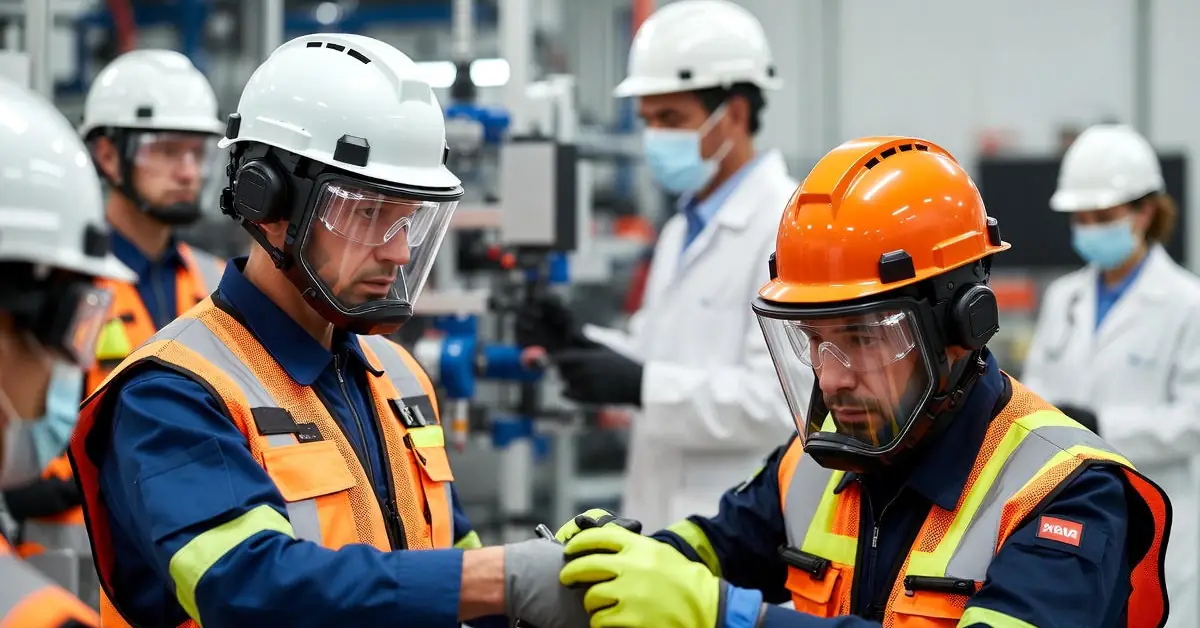
In today’s rapidly evolving work environment, Personal Protective Equipment (PPE) has become more than a compliance requirement—it is the frontline defense for employees across industries. From construction and manufacturing to healthcare, laboratories, and warehouses, PPE ensures that workers remain safe, productive, and confident in their roles.
As businesses prioritize workplace safety, understanding the importance, types, and correct usage of PPE has become essential for both employers and employees. This guide breaks down everything you need to know about PPE, why it matters, and how companies can implement it effectively.
What Is PPE?
PPE (Personal Protective Equipment) refers to specialized clothing or gear worn by workers to protect themselves from workplace hazards. These hazards may include physical risks, chemicals, airborne particles, infections, heat, cold, or heavy machinery.
Examples of PPE include:
- Safety helmets
- Gloves
- Safety eyewear
- Respiratory masks
- High-visibility clothing
- Hearing protection
- Steel-toe boots
- Protective coveralls
Every workplace is different, which means the PPE required in one environment may not be suitable for another. The key is choosing the right equipment based on specific risks.
Why PPE Matters in Workplace Safety
PPE plays a major role in injury prevention and overall operational efficiency. Its benefits go far beyond basic protection:
1. Reduces workplace injuries
PPE is designed to protect workers from immediate dangers such as falling objects, chemical splashes, electrical hazards, and excessive noise. The right PPE can prevent injuries that lead to downtime, worker compensation claims, and lost productivity.
2. Ensures compliance with safety standards
Many industries are governed by strict health and safety regulations. Using proper PPE ensures organizations remain compliant with safety laws and avoid penalties.
3. Boosts employee confidence
When workers feel safe, they perform better. Reliable PPE demonstrates that an employer prioritizes safety—something that improves workplace morale and reduces stress.
4. Supports a long-term safety culture
PPE is not just equipment; it is part of a company’s safety culture. Wearing PPE consistently reinforces good habits and sets a standard for new employees.
Types of PPE and Their Uses
1. Head Protection
Safety helmets and bump caps protect workers from falling objects, collisions, and electrical exposure. They’re essential in construction sites, factories, and mining environments.
2. Eye and Face Protection
Safety goggles, face shields, and protective glasses are used to prevent:
- Chemical splashes
- Flying debris
- Dust and sparks
- UV radiation
They are critical for welders, mechanics, healthcare workers, and laboratory technicians.
3. Respiratory Protection
Respirators and masks protect against:
- Airborne particles
- Dust
- Hazardous fumes
- Pathogens and viruses
They are widely used in industrial settings, cleanrooms, and healthcare facilities.
4. Hearing Protection
Earplugs and earmuffs reduce noise exposure in high-decibel environments such as factories, airports, and construction sites.
5. Hand Protection
Work gloves protect against cuts, burns, chemicals, and electrical hazards. They come in various materials, including nitrile, leather, rubber, and heat-resistant fabrics.
6. Foot Protection
Steel-toe boots and protective footwear shield the feet from heavy machinery, sharp objects, and slippery surfaces.
7. Body Protection
High-visibility vests, flame-resistant coveralls, chemical-resistant suits, and aprons protect workers from environmental and material-related risks.
How to Choose the Right PPE for Your Workplace
Selecting the correct PPE is crucial for ensuring maximum safety. Here’s what employers should focus on:
1. Conduct a hazard assessment
Understanding the risks present in the workplace helps determine the exact type of PPE required.
2. Ensure proper fit and comfort
Poorly fitted PPE reduces protection and decreases worker compliance. Comfort and functionality are key.
3. Invest in high-quality materials
Low-quality PPE may not withstand demanding environments. Reliable equipment offers long-term durability and better safety.
4. Provide training
Workers must know how to wear, use, clean, and store PPE properly. Training prevents misuse and extends the equipment’s lifespan.
5. Maintain and inspect regularly
Damaged or expired PPE is dangerous. Businesses should implement a maintenance schedule and replace faulty gear immediately.
The Future of PPE: Smarter, Safer, and More Efficient
Modern PPE is evolving quickly. Technology is introducing smarter, more advanced protective equipment such as:
- Sensors that monitor worker fatigue
- Smart helmets with real-time alerts
- Anti-fog and scratch-resistant safety eyewear
- Lightweight, breathable materials
- PPE integrated with digital tracking systems
These advancements are transforming workplace safety while improving comfort and performance.
Final Thoughts
PPE remains one of the most important elements of workplace safety. Whether you operate in construction, healthcare, manufacturing, mining, or logistics, providing the right Personal Protective Equipment ensures your workforce is protected and productive.
By understanding the risks, choosing the right PPE, and ensuring proper training and use, businesses can significantly reduce accidents and create a long-term, reliable safety culture.