
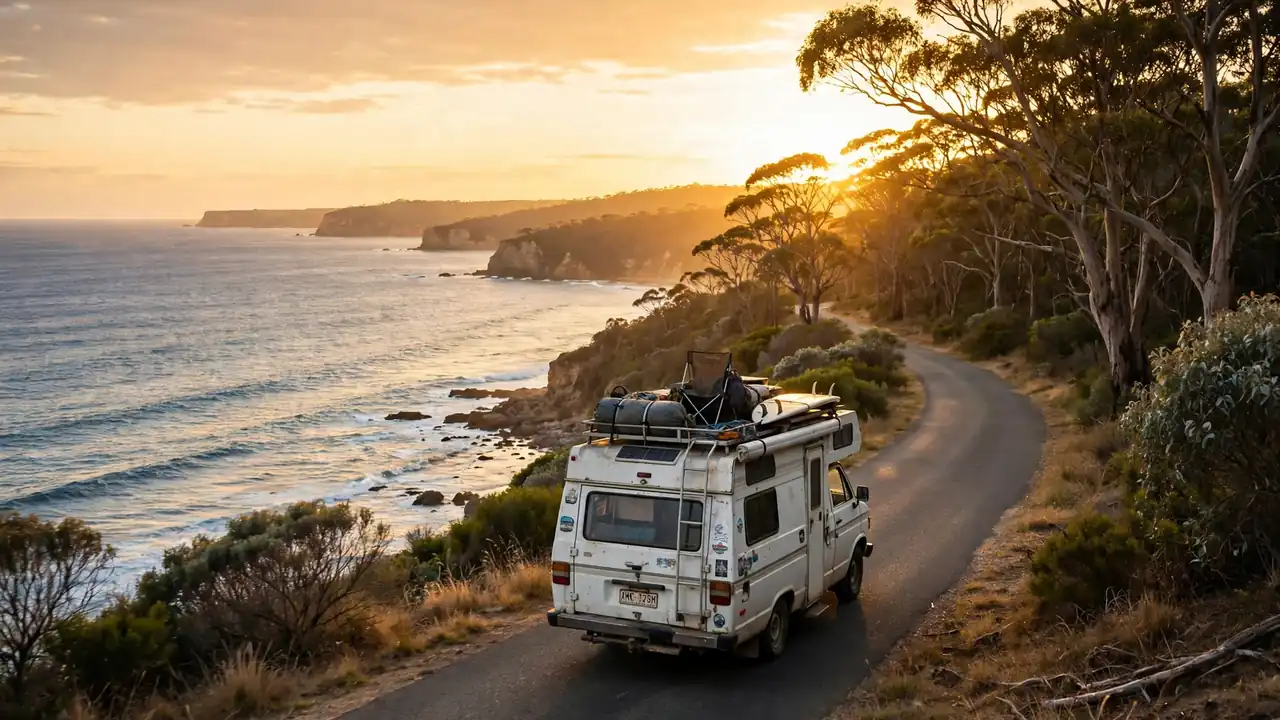
How to Travel Australia on a Budget: 30 Money-Saving Tips
Australia has a reputation for being an expensive place to travel, and to be fair, it is not the cheapest destination on the map. But budget travel Australia is absolutely achievable — thousands of backpackers, grey nomads and young families do it every year without emptying their savings. The secret is not some magic hack. It is planning around the things that cost the most: flights, accommodation, food and getting around. Get those four right and everything else falls into place. Below are 30 practical, tested tips that real travellers use to cut their costs across the country.
Save on Flights
1. Fly mid-week and outside school holidays
Tuesday and Wednesday departures are consistently cheaper than Friday and Sunday flights. The price gap on popular routes like Sydney to Melbourne can be $50 to $100 per person. School holiday periods — Easter, the July winter break and Christmas — are the most expensive times to fly domestically, so shift your dates by even a week if you can.
2. Set fare alerts and book at the right time
Sign up for fare alerts on the routes you want. For domestic flights, booking roughly 6 to 8 weeks out usually lands in the sweet spot — earlier than that and sale fares may not have been released, later and prices climb. Read our full breakdown of how to find cheap flights from Australia for the complete strategy.
3. Compare the real price, not the headline fare
A $79 Jetstar fare with no baggage, no seat selection and a 7kg carry-on limit can end up costing more than a $129 Virgin fare with a 23kg checked bag included once you add everything. Always price the full trip before you click buy.
4. Consider flying into a different city
Flying into the Gold Coast instead of Brisbane, or Avalon instead of Melbourne, can save a surprising amount. Just factor in the cost of getting from the alternative airport to where you actually want to be — a cheap flight plus an expensive transfer is no saving at all.
Save on Accommodation
5. Stay in hostels — even if you are not 20
Modern Australian hostels are nothing like the grimy dorms of the 1990s. Many offer private rooms with ensuites at half the price of a hotel, plus kitchens, laundries and social areas. Chains like YHA have locations in most major cities and tourist towns.
6. House-sit or pet-sit for free stays
Websites that match travellers with homeowners who need someone to look after their pets and property are a genuine way to stay for free. You get a whole house, they get peace of mind. It suits flexible travellers who can commit to dates and look after animals properly.
7. Try camping and free campsites
Australia has an enormous network of free and low-cost campsites, especially in regional areas. Apps like WikiCamps list thousands of them with reviews, photos and details about toilets, water and phone reception. A tent and a $0-per-night site beats any hotel on price.
8. Book accommodation with a kitchen
An apartment or cabin with a kitchen might cost $30 more per night than a hotel room, but if it saves you $60 a day on eating out, you are ahead. This single choice is one of the biggest levers in budget travel in Australia.
9. Travel in shoulder season for cheaper rates
The same hotel room in Cairns can cost half as much in November as it does in July. Shoulder seasons — the months just before and after peak — bring lower prices, smaller crowds and often perfectly good weather. Check our guide to the cheapest months to fly from Australia for timing your whole trip around low fares.
10. Ask about weekly rates
If you are staying somewhere for a week or more, ask directly about weekly rates. Caravan parks, motels and holiday apartments often have unadvertised long-stay discounts of 10 to 20 percent. A phone call can save you more than any booking site.
Save on Food and Drink
11. Cook most of your meals
Eating out in Australia is expensive — a basic cafe lunch in Sydney or Melbourne easily runs $20 to $25. Cooking breakfast and dinner and buying lunch out keeps food costs to $15 to $25 a day per person instead of $60 or more. Supermarkets like Coles and Woolworths have rotisserie chickens, salad bars and decent ready meals for cheap feeds.
12. Shop at markets for fresh produce
Farmers markets and multicultural grocery strips sell fruit, vegetables, bread and snacks far cheaper than supermarkets in tourist areas. Queen Victoria Market in Melbourne, the Fremantle Markets and Chinatown grocers in Sydney are all worth a visit.
13. Carry a water bottle and snacks
Australian tap water is safe to drink in almost every town and city. A refillable bottle saves $4 to $5 every time you would otherwise buy water, and a bag of trail mix in your daypack stops the $8 service-station snack habit.
14. Take advantage of pub meal deals
Many pubs run cheap schnitzel nights, parmy deals or two-for-one offers on quiet weeknights. A $15 parmy night is one of the best-value feeds in the country, and you get the local atmosphere thrown in.
15. BYO where you can
Restaurant wine markups are brutal — a $15 bottle from the bottle shop becomes $45 on a wine list. Restaurants that allow BYO (usually with a small corkage fee of $5 to $10) slash the cost of a night out dramatically.
Save on Getting Around
16. Use public transport instead of taxis
In Sydney, an Opal card caps daily spending and airport trains cost a fraction of a taxi. In Melbourne, trams in the CBD are free. Every capital city has a rechargeable transport card — buy one on arrival and you will save hundreds over a trip compared to rideshares.
17. Relocate a campervan or car for $1 a day
Rental companies need vehicles moved between cities and offer relocation deals — sometimes as little as $1 a day plus fuel — if you can drive a set route within a set timeframe. It is the cheapest way to do a one-way road trip, and you get free wheels and accommodation in one.
18. Compare fuel prices with apps
Petrol prices in Australia vary wildly — sometimes 30 cents a litre between stations on the same road. Apps that show live fuel prices let you fill up at the cheapest servo instead of the nearest one. On a 3,000km road trip, that difference adds up to real money.
19. Take the bus for regional trips
Coaches are slower than planes but far cheaper for regional routes. Sydney to Byron Bay, Melbourne to Adelaide and Brisbane to Cairns all have coach services that cost a fraction of the airfare if you book ahead. Overnight coaches also save you a night of accommodation.
20. Walk and cycle in cities
Australian cities are more walkable than their size suggests. Melbourne’s grid, Sydney’s harbour foreshore and Brisbane’s riverwalk are all best seen on foot. Many cities have bike-share or cheap e-bike hire — a day of cycling costs less than two tram rides and covers far more ground.
Save on Sightseeing and Activities
21. Do the free stuff first
Some of Australia’s best experiences cost nothing: Bondi to Coogee walk, the Royal Botanic Gardens, watching the sunset at Kings Park in Perth, stargazing in the Outback, swimming at any of thousands of beaches. Plan your days around free attractions and save paid tours for the one or two things you truly want to do.
22. Look for free museum and gallery days
Many major museums and galleries are free every day — the Art Gallery of NSW, the National Gallery of Victoria and the Australian Museum’s general entry are all free. Special exhibitions cost extra, but the permanent collections alone can fill a day.
23. Buy multi-attraction passes only if the maths works
City sightseeing passes bundle attractions at a discount, but only buy one if you will actually visit enough included sights to beat the gate prices. Do the arithmetic before you buy — a pass you half-use is not a saving.
24. Book tours directly with operators
Booking a reef trip or wildlife tour direct with the operator is often 10 to 15 percent cheaper than through a hotel desk or booking platform. Operators also sometimes throw in extras like free photos when you book direct.
25. Travel with a group for tour discounts
Many tour operators offer group rates for four or more people. Travelling with friends or teaming up with people from your hostel can unlock discounts on day trips, cruises and adventure activities.
General Money-Saving Habits
26. Get a card with no foreign transaction fees
If you are visiting Australia from overseas, a card that charges 3 percent on every purchase quietly adds hundreds to your trip. If you are Australian heading abroad, the same applies. Sort your travel money before you leave.
27. Pack light and avoid baggage fees
Budget airlines make their money on extras, and checked baggage is the biggest one. Learning to travel with just a carry-on — see our guide to packing light for two weeks — saves $60 to $120 per flight on some fares.
28. Travel slower
Rushing between cities burns money on transport. Spending four nights in one place instead of two means fewer flights, less packing stress and the chance to find the cheap local spots instead of the tourist-priced ones. Slow travel is cheaper travel.
29. Keep a daily budget and track spending
Set a daily target — say $100 a day — and jot down what you spend. Travellers who track spending consistently spend 15 to 20 percent less than those who do not, simply because the numbers stay visible.
30. Buy travel insurance anyway
It sounds odd in a money-saving list, but one medical emergency overseas can cost tens of thousands of dollars. A basic policy for a two-week trip can cost less than a single restaurant dinner. Skipping insurance is not saving money — it is gambling. Smartraveller, the Australian Government’s travel advisory service, recommends insurance for every overseas trip — see their travel insurance guidance.
Budget travel in Australia comes down to choices, not sacrifice. The travellers having the most fun are rarely the ones spending the most — they are the ones who planned the big costs and let the small ones take care of themselves. If you are still working out the details of your trip, the guides linked above are good places to start — along with the strategies on this page, they cover the highest-impact savings on any Australian trip.
Frequently Asked Questions
Is Australia expensive to travel in?
Australia is one of the pricier destinations, with mid-range travellers spending around $150-$250 per day. But budget travellers who cook, camp or hostel-stay, and use public transport can get by on $70-$100 a day in many areas.
What is the cheapest way to travel around Australia?
For long distances, budget flights booked in advance are usually cheapest. For regional touring, campervan relocations at $1 a day plus fuel are the best value, followed by coaches. In cities, public transport with a local travel card beats taxis and rideshares.
How much does a budget trip to Australia cost per day?
A careful budget traveller can manage on $70-$100 per day including a hostel dorm or campsite, self-catered food, public transport and free activities. Add $30-$50 a day if you want paid tours, restaurant meals or private rooms.
When is the cheapest time to visit Australia?
Shoulder seasons offer the best value: roughly March-May and September-November, depending on the region. Avoid Australian school holidays (Easter, July, Christmas-New Year) when flights and accommodation prices peak.
Can you do a road trip around Australia cheaply?
Yes. Campervan relocations, free campsites listed on apps like WikiCamps, cooking your own meals and travelling with others to split fuel costs can bring a Big Lap-style trip down to $60-$80 per person per day.